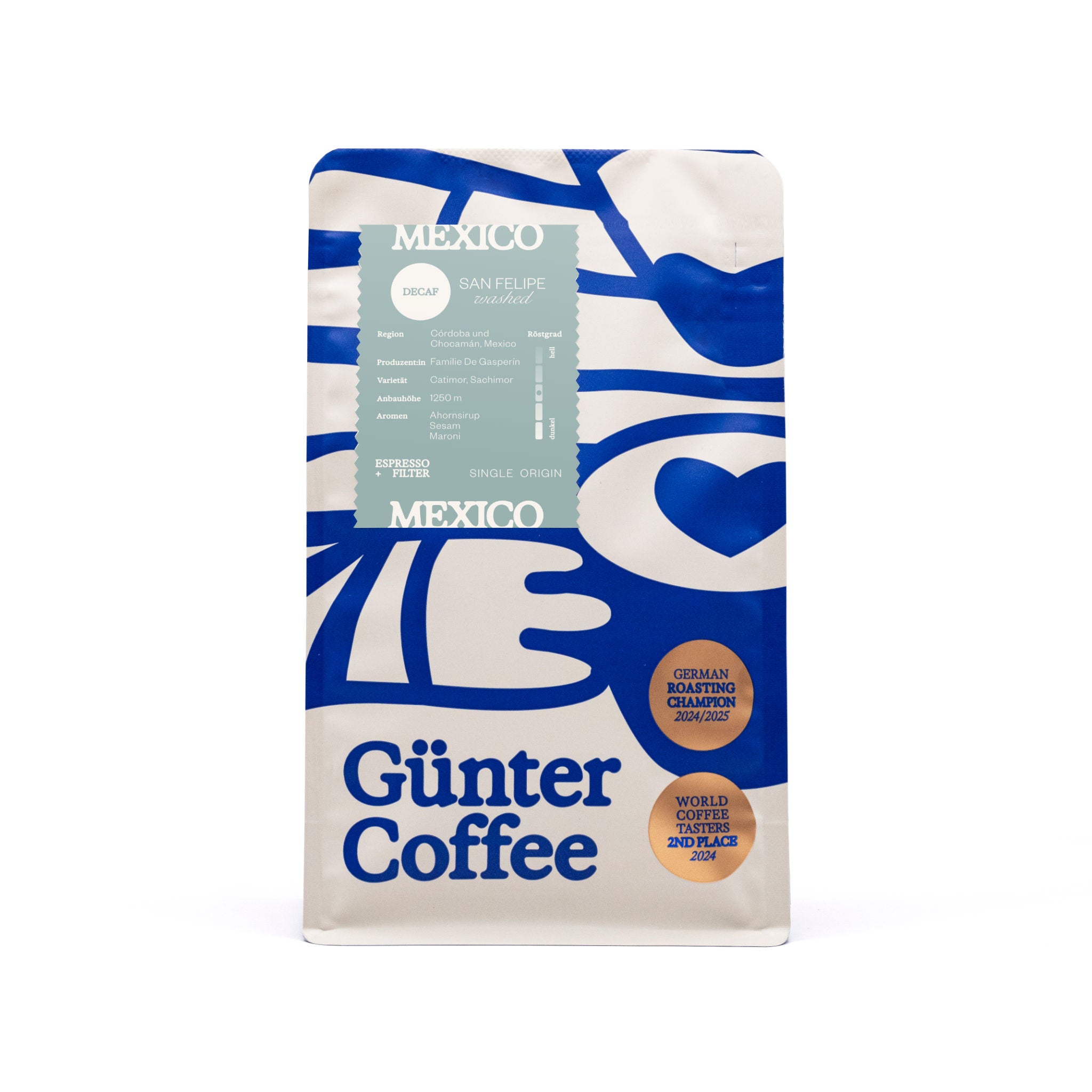

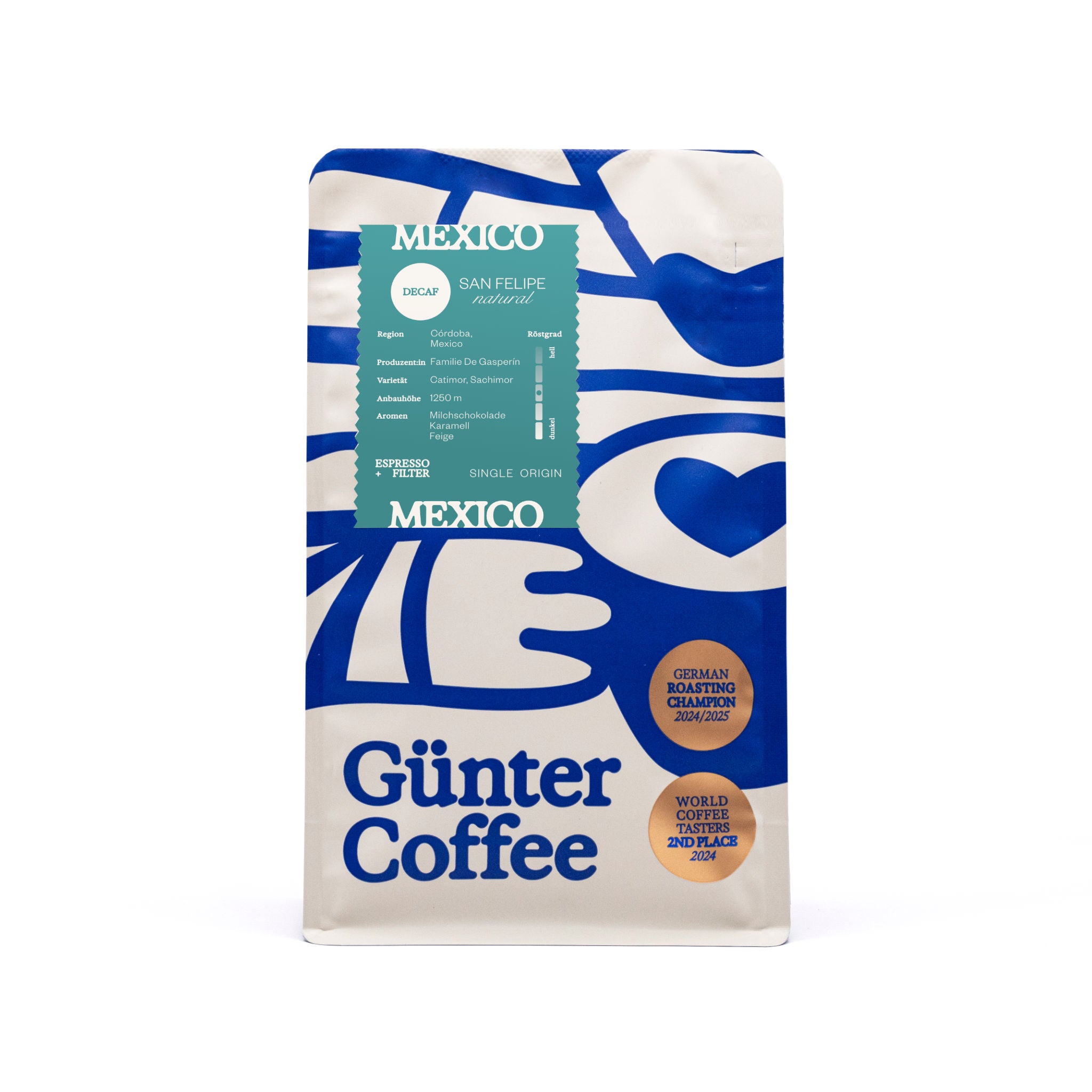

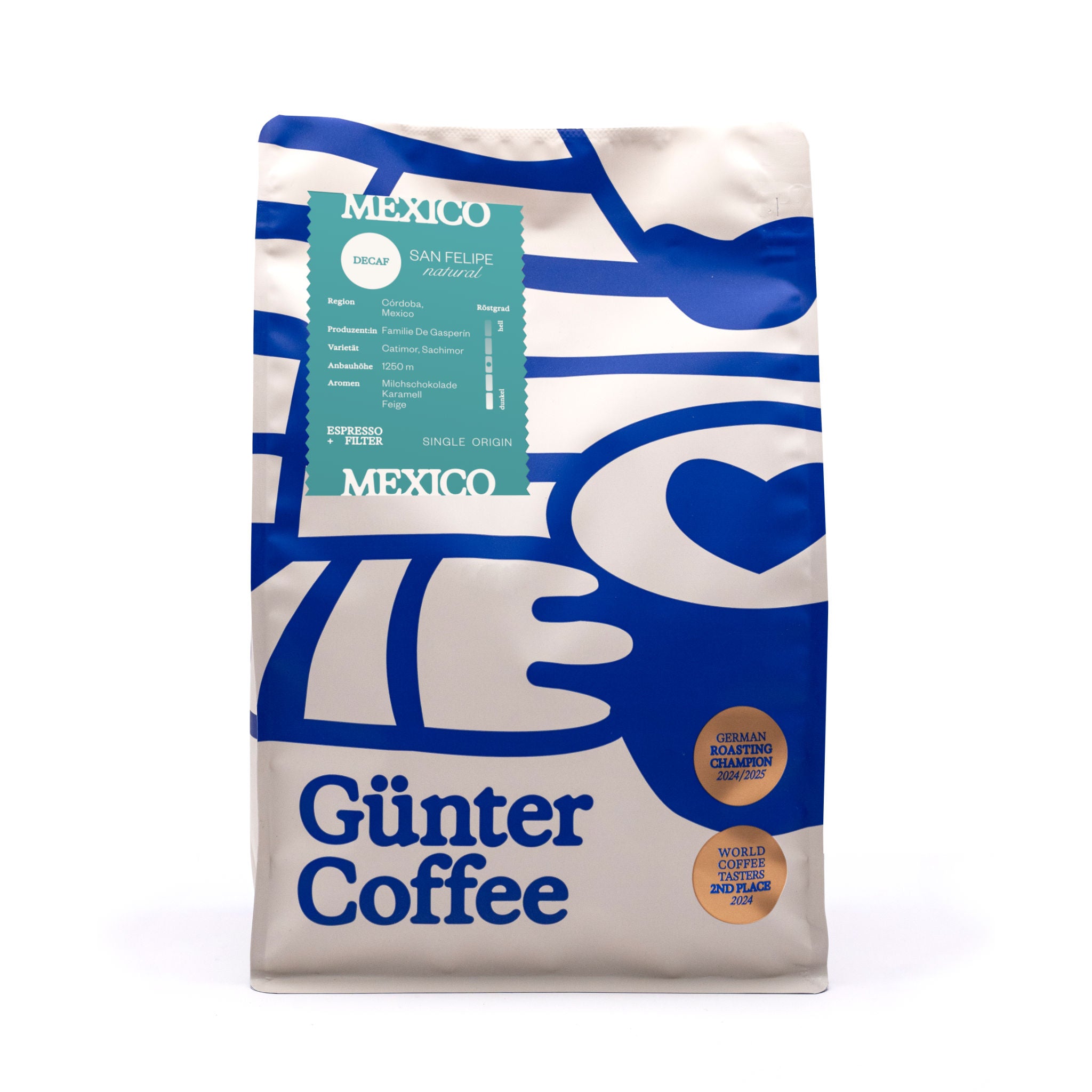
DECAF Mexico Natural Decaffeinated Coffee Beans
Roast Level: ? The roast level indicates how light or dark the beans are roasted. The lighter the roast, the more the natural aromas of the coffee are emphasized, including acidity. The darker the roast, the more the roasted aromas come to the fore.
 Suitable for French Press
 Suitable for Fully Automatic Machines
 Suitable for Portafilter
 Suitable for Espresso Pot/Mocha Pot
 Suitable for Filter Coffee
DECAF Mexico Natural Decaffeinated Coffee Beans
250 g / Whole Beans
Merianstraße 8 (Hinweise beachten)
Merianstraße 8
79104 Freiburg im Breisgau
Germany

Choose options
Roast Level: ? The roast level indicates how light or dark the beans are roasted. The lighter the roast, the more the natural aromas of the coffee are emphasized, including acidity. The darker the roast, the more the roasted aromas come to the fore.
Suitable for French Press
Suitable for Fully Automatic Machines
Suitable for Portafilter
Suitable for Espresso Pot/Mocha Pot
Suitable for Filter Coffee
Roast Level: ? The roast level indicates how light or dark the beans are roasted. The lighter the roast, the more the natural aromas of the coffee are emphasized, including acidity. The darker the roast, the more the roasted aromas come to the fore.
Suitable for French Press
Suitable for Fully Automatic Machines
Suitable for Portafilter
Suitable for Espresso Pot/Mocha Pot
Suitable for Filter Coffee
If you love coffee but prefer decaffeinated, our DECAF is perfect for you. Notes of caramel and fig make this coffee a true taste sensation—despite being decaffeinated!
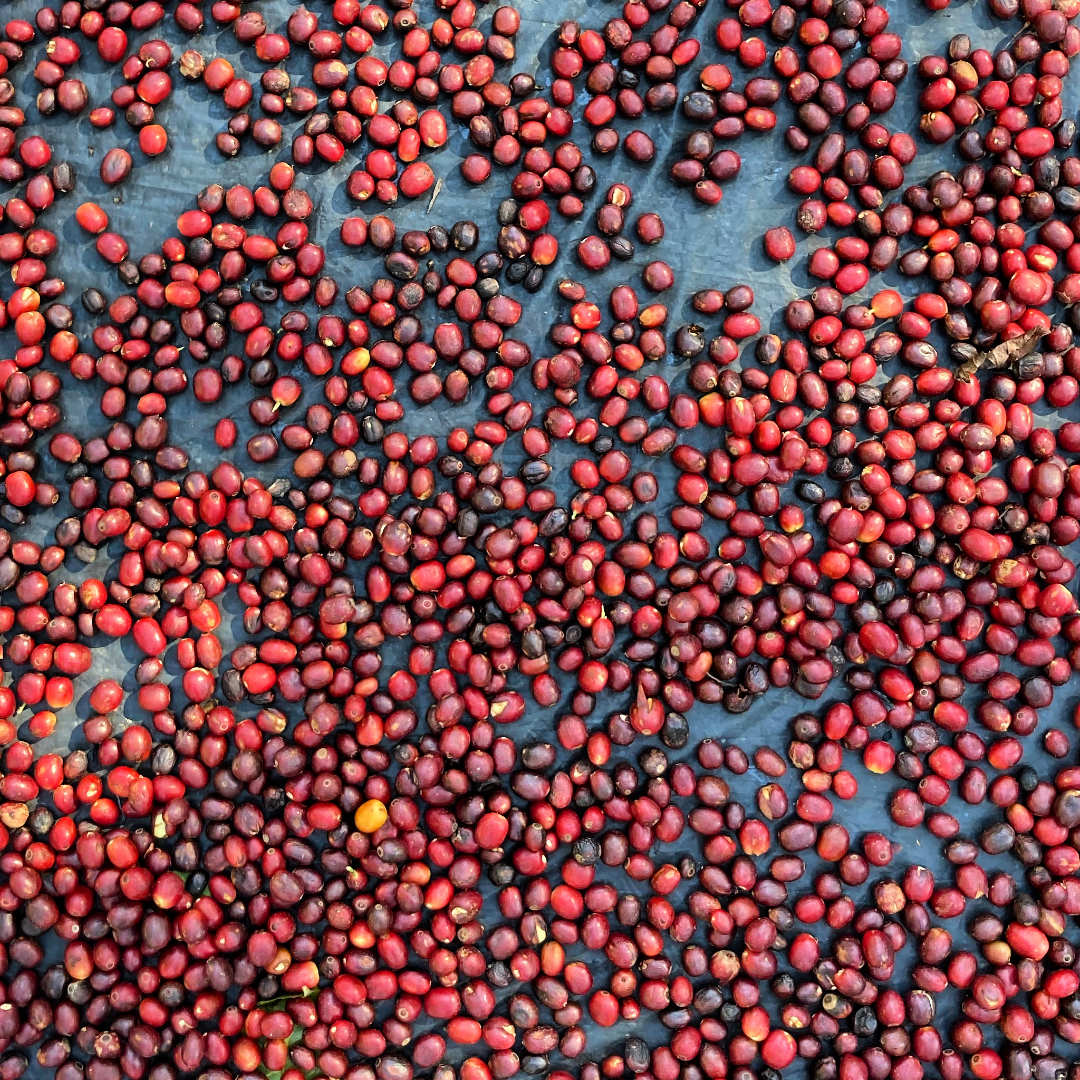
The green coffee is a blend of Catimor and Sarchimor varieties, grown at an average altitude of 1250 meters above sea level in the Veracruz region of Mexico. We source it directly from the Rancho San Felipe farm, run by the De Gasperín family since 1924, who also collaborate with other producers in the region.
In Mexico, the beans are also decaffeinated using the Mountain Water method. This is a particularly gentle, chemical-free method. For decaffeination, the company Descamex cleans a batch of unroasted coffee beans and soaks them in water. In the water bath, the pores of the beans open, and the water-soluble substances—including caffeine—are rinsed out.
Using activated carbon filters, employees remove the caffeine from the extracted liquid. A new batch of coffee beans is then added to the saturated, but caffeine-free, water. The caffeine from the coffee beans is extracted into the liquid, while the remaining substances are retained in the green coffee. The process is then repeated using activated carbon filters until the green coffee contains less than 0.01% residual caffeine. The beans are then dried and shipped.
More info on this coffee
Processing method
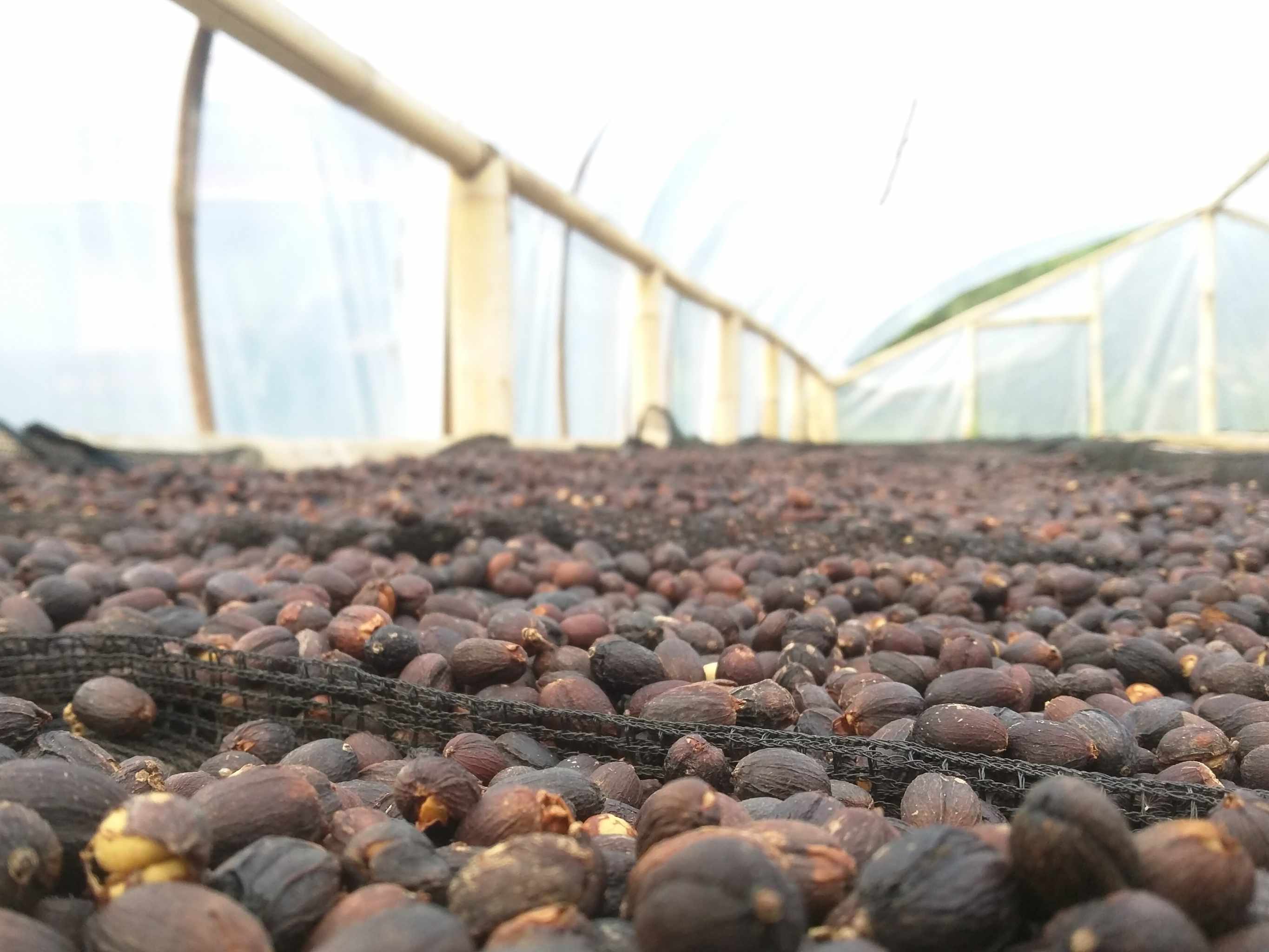
Natural Processing
Coffee plant
Catimor and Sachimor Varieties
country of cultivation
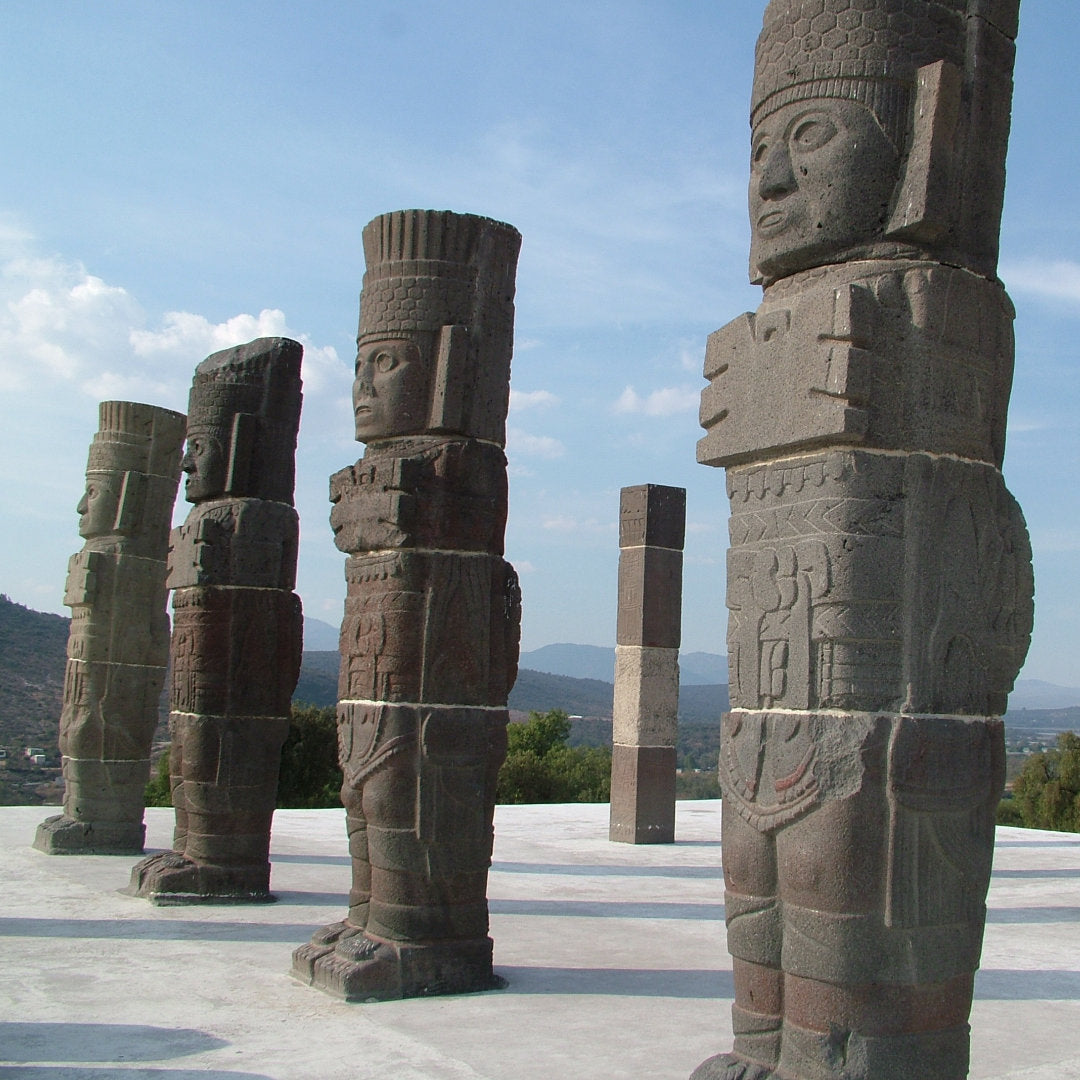
Coffee from Mexico
Good coffee is no accident.
Prepare coffee correctly
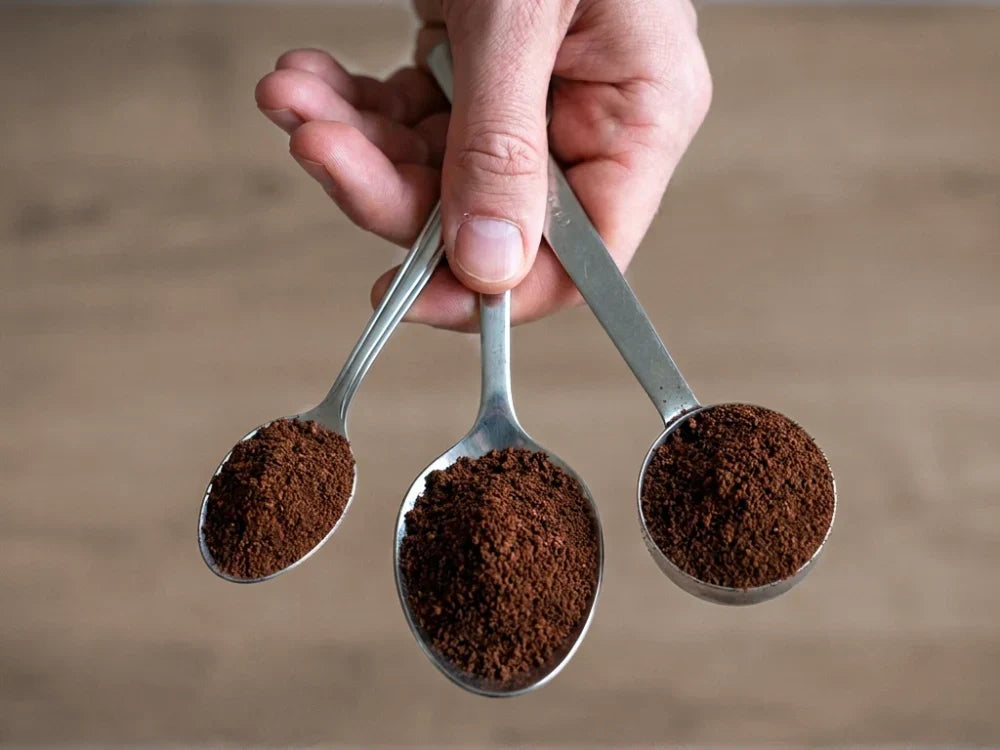
Wie viel Kaffeepulver pro Tasse? Schnelle Antworten für jeden Löffel
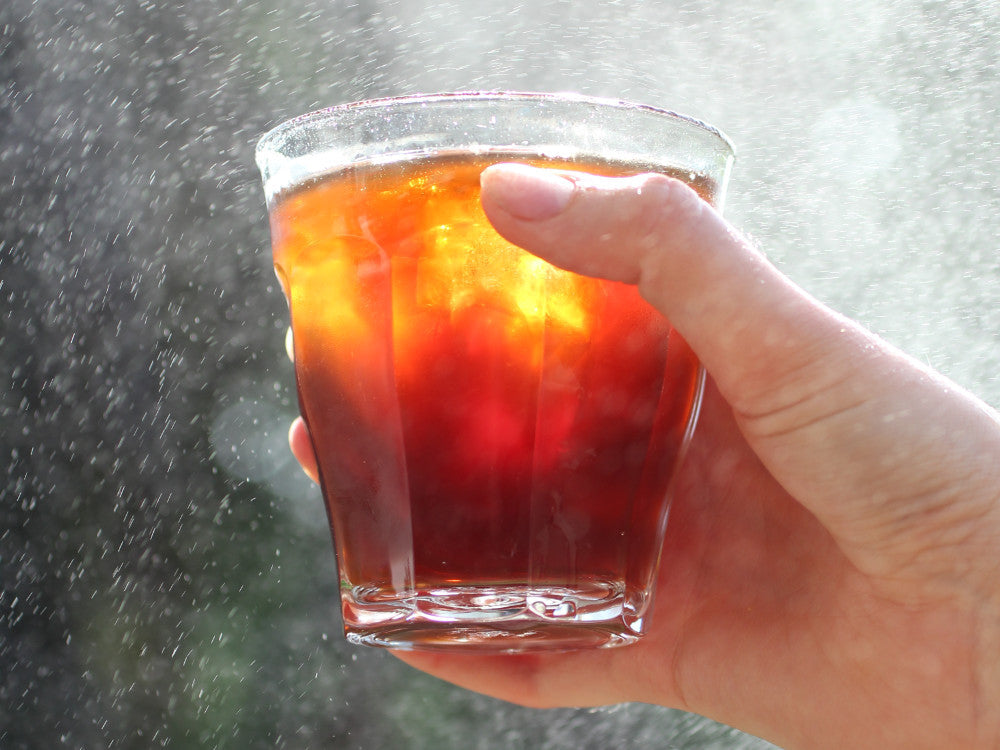
How to Make the Perfect Iced Filter Coffee
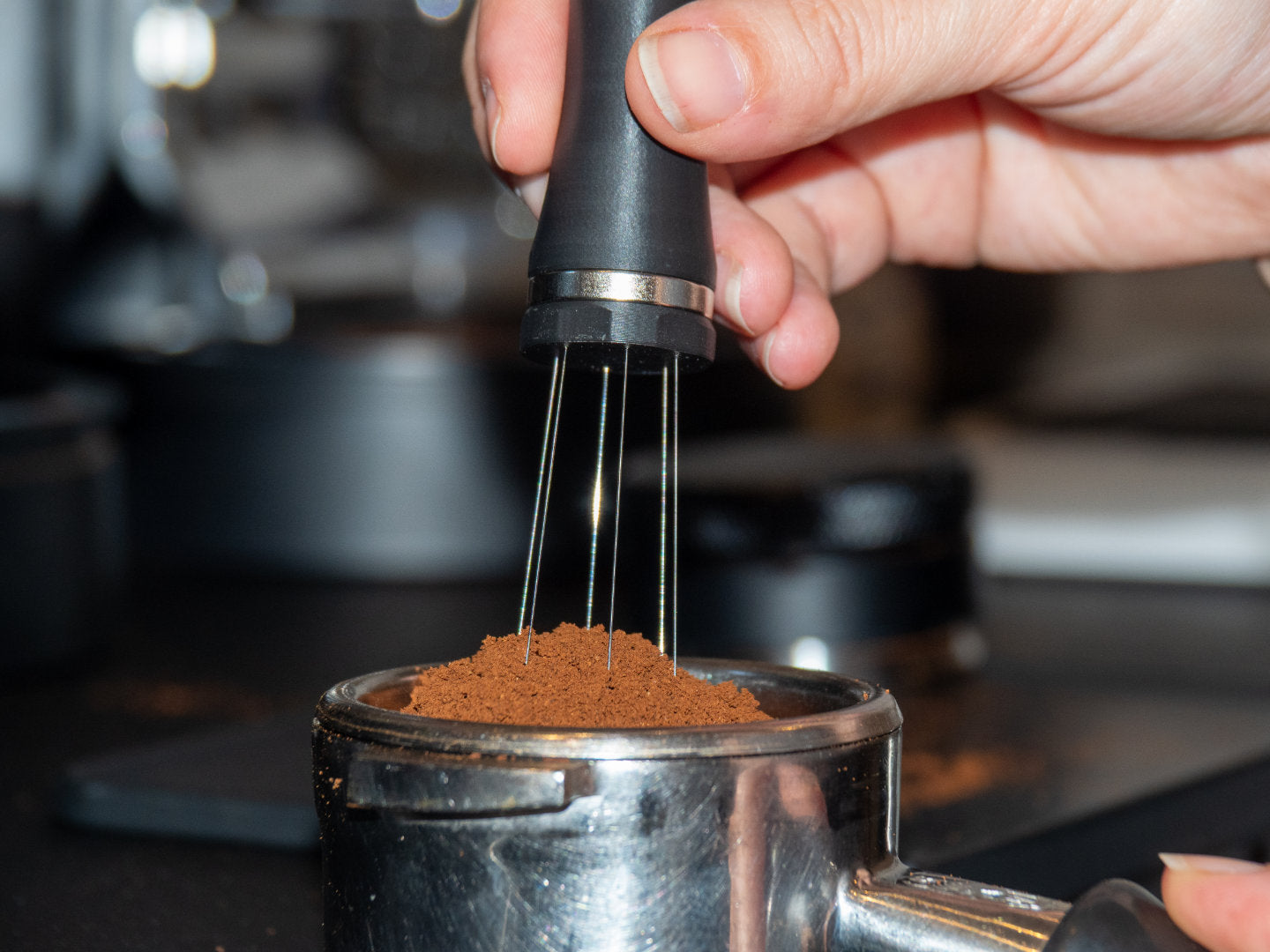
Contra Clumps and Static: Your Simple Guide to RDT and WDT

Get 5% off 📯
OUR COFFEE BEANS
Günters Müntermacher